 how-to
How to Avoid Bad Tattoo Experiences: A Step-by-Step Guide
Last Updated: November 5, 2026
Quick Summary
Bad tattoo experiences usually come from rushed choices, so the best prevention is careful planning. Research an artist's healed portfolio, verify the studio's hygiene before you book, finalize your design in advance, and know your rights to pause or stop during the session.
- Review the artist's healed work, not just fresh photos, to see how ink settles over time.
- Check that needles are single-use, sealed until opened, and show a sterilization indicator.
- Ask for a fully finalized stencil and check its size and placement in a mirror before the session.
- Agree beforehand that you can request a break or end the session at any time.
- Contact a medical professional if redness spreads, pus appears, or you develop a fever.
Table of Contents
- Step 1: Choose a Qualified Artist by Reviewing Portfolios and Healed Work
- Step 2: Verify Studio Hygiene and Safety Before You Commit
- Step 3: Prepare for Your Appointment and Finalize the Design
- Step 4: Protect Yourself During the Session and Know When to Speak Up
- Booking Your Consultation With Indelible Ink Tattoo Studio 2.0
- Frequently Asked Questions
Bad tattoo experiences rarely come from one big mistake. They usually come from a string of small decisions made in a hurry.
The most common causes of a bad tattoo experience include:
- Booking with an artist who has not been checked out
- Rushing the design before it is fully planned
- Choosing a placement that does not suit the body or the design
A "bad" experience can mean a design that looks blurry after healing, a rough session, a poor artist-client fit, or feeling rushed.
The good news: the steps are simple. Work through them in order and you will cut your risk sharply.
Step 1: Choose a Qualified Artist by Reviewing Portfolios and Healed Work
Your artist matters more than anything else. A skilled artist can turn a rough idea into a clean, lasting piece. A weak one can leave you with blurry lines, uneven shading, or a design that fades in a few years.
Start with the artist's full portfolio. Fresh photos can look great under studio lights, so check healed work too, it shows how ink really settles into skin over time.
Look for these signs of quality:
- Clean, consistent linework with no wobbles or gaps
- Smooth shading without patchy areas
- Healed pieces that still look sharp
Questions to ask a tattoo artist before booking
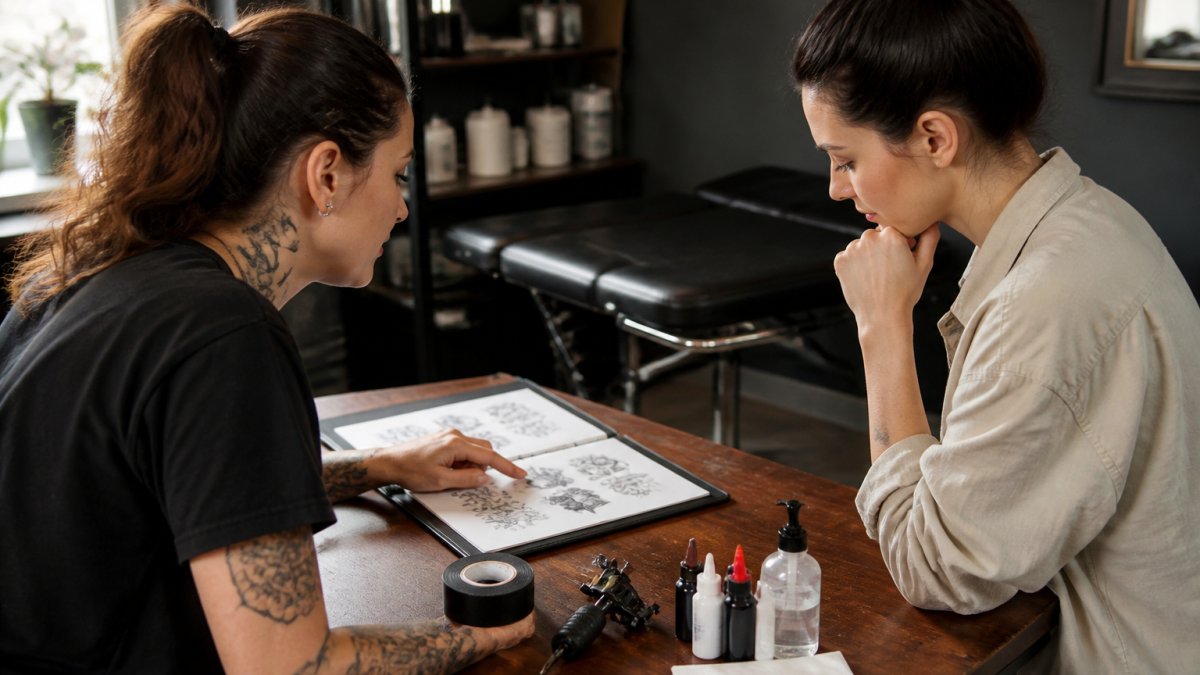
Ask direct questions before you commit. A good artist will answer clearly and will not rush you.
- How long have you been tattooing this style?
- Can I see healed examples of work like mine?
- How do you handle design changes before the session?
Pay attention to how the artist responds. Someone who listens and explains their process is usually a better match than someone who pushes a quick booking.
Step 2: Verify Studio Hygiene and Safety Before You Commit
Hygiene is not optional, because avoiding bad tattoo experiences starts with infection control. Infection is one of the most serious risks in tattooing, and it is the one clients have the least control over once the session starts. Before you book, check how the studio handles its equipment and workspace. Most advice stops at "make sure it's clean", this is a practical infection-control checklist you can use during a visit or phone call.
What a safe studio looks like in practice
A safe studio should use sterile, single-use needles and disposable supplies wherever possible. Ask whether the studio follows recognized infection-control practices. Check that workstations are cleaned between clients and that the artist wears gloves throughout the session.
Use this checklist when you visit or call:
- Needles are single-use and sealed until opened. Ask the artist to open the needle package in front of you. The seal should be intact, and the package should show a sterilization indicator. If the artist pre-opens needles or seems annoyed by the request, that is a warning sign.
- The workspace is clean and organized. Look for a clear separation between clean supplies and used equipment. Used needles and gloves should go into a designated sharps container and biohazard bin, not a regular trash can.
- The artist wears fresh gloves during the session. Gloves should be changed when moving from a dirty task (such as wiping ink) to a clean task (such as touching a new needle). Watch whether the artist touches their phone, face, or door handles with gloved hands and then continues working.
How to ask without feeling awkward
You do not need to be an expert to ask good questions.
Watch out: A studio that rushes you past hygiene questions or dismisses your concerns as "no big deal" is telling you something important.
Our team at Indelible Ink Tattoo Studio 2.0 follows medical-grade safety standards, and we are glad to explain our practices during your consultation.
The checklist below sums up the infection-control points to check before you book a studio.
| Check | What to look for | Red flag |
|---|---|---|
| Needles | Single-use, sealed until opened, sterilization indicator | Pre-opened or refused to open in front of you |
| Workspace | Clean, sharps and biohazard waste separated | Used needles in regular trash |
| Gloves | Changed when moving from dirty to clean tasks | Gloved hands touch phone or door handles |
| Surfaces | Disinfected between clients with hospital-grade product | Vague answers about cleaning |
| Ink | Poured into fresh single-use caps | Reused caps or topped-off old ink |
| Hand washing | Sink accessible to the artist | Blocked, unstocked, or far from work area |
Step 3: Prepare for Your Appointment and Finalize the Design
Preparation is where most bad experiences can be stopped before they start.
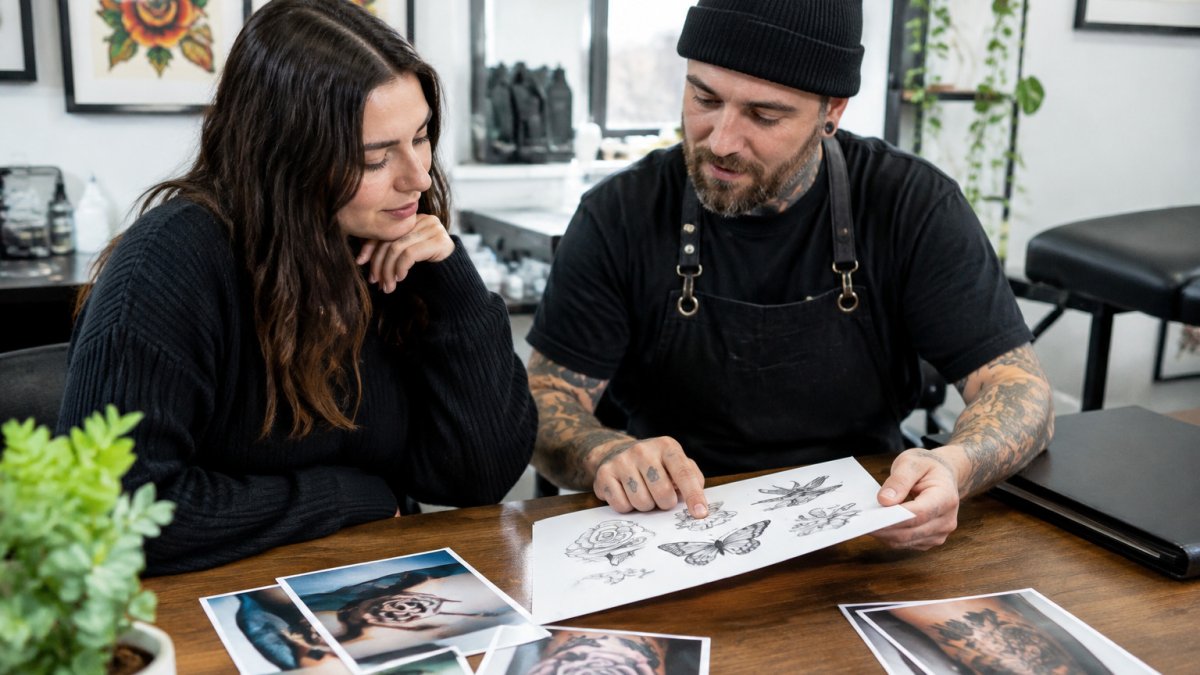
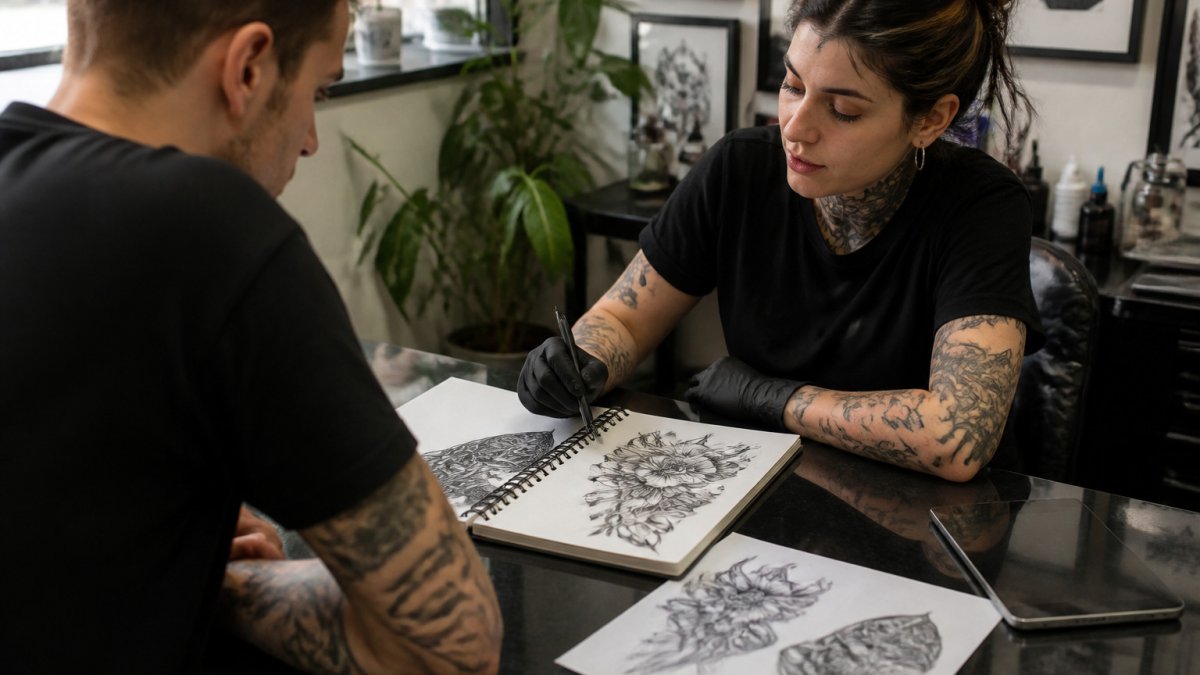
Bring reference images that show the style, size, and detail you want.
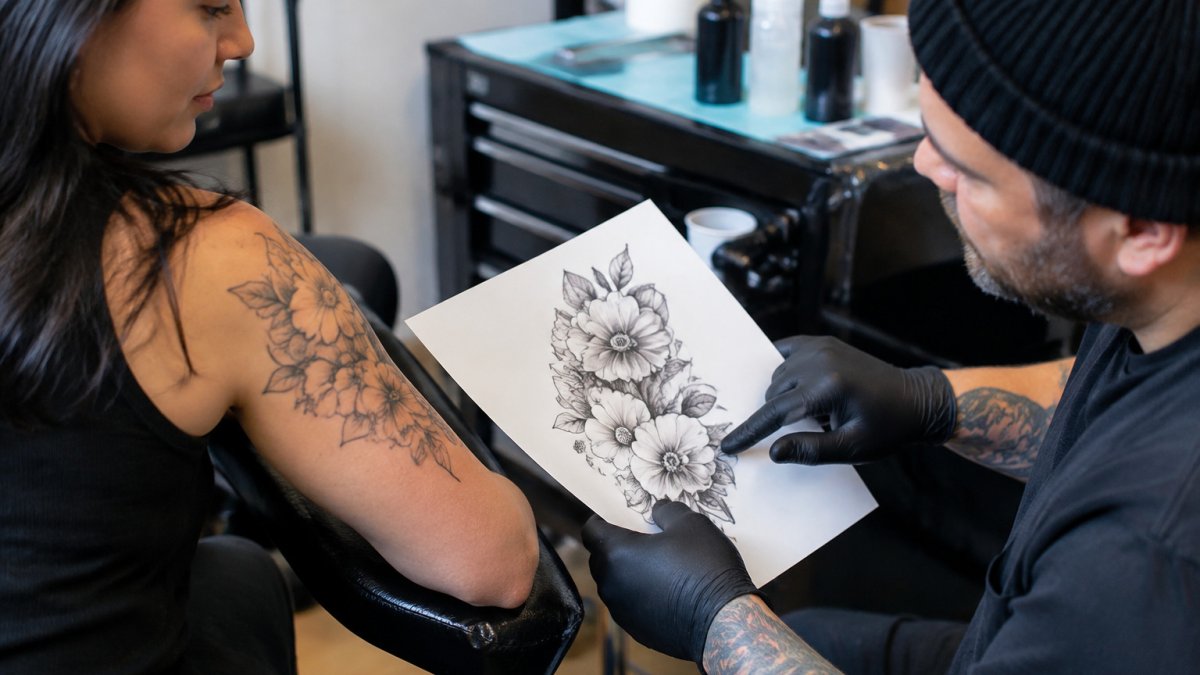
Before the session, confirm the final stencil. Look at it in a mirror and check the size and placement.
Ask yourself a few honest questions before you sign off:
- Will I still like this design in ten years?
- Does the size suit the placement?
- Did I agree to the final stencil, or did I feel pressured?
If you feel rushed, slow down. A reputable artist will never mind a few extra days to think it over.
Step 4: Protect Yourself During the Session and Know When to Speak Up
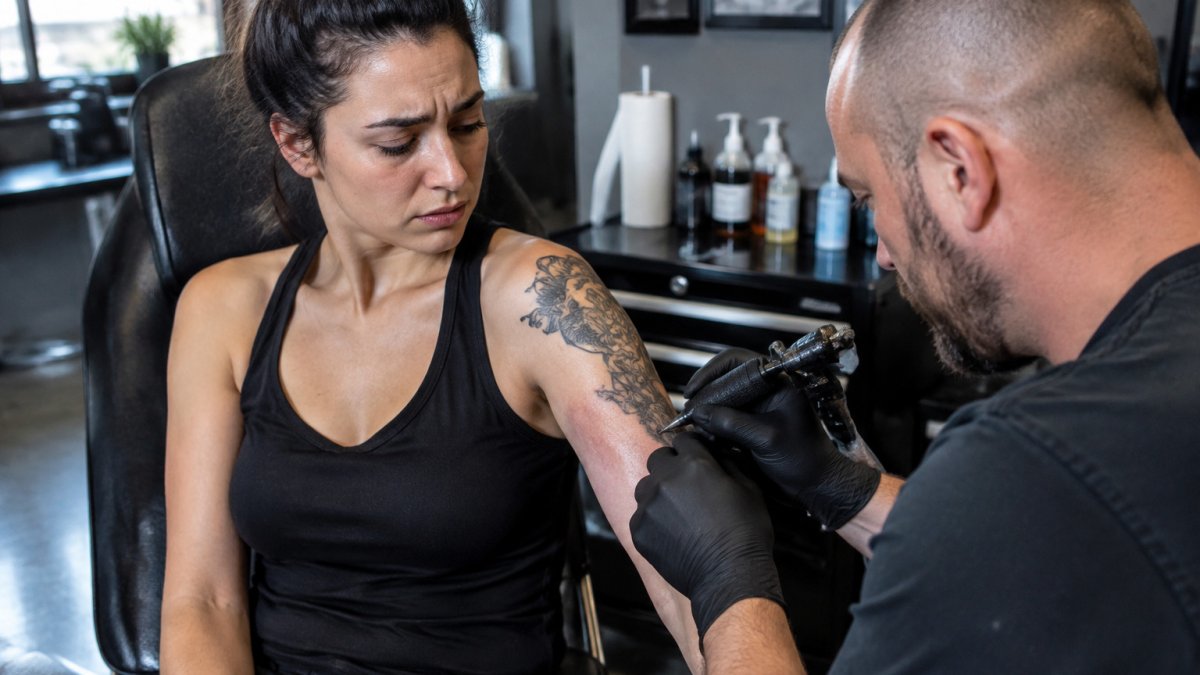
During the session, you have every right to speak up. You can ask for a break, request changes, or stop the session if something feels wrong. Pain is normal to a degree, but it should never feel unsafe or out of control. Here is a concrete plan for handling discomfort, unprofessional behavior, and aftercare problems.
Your in-session rights and a simple stop plan
Before the needle touches your skin, agree on a few basics with the artist: you can ask for a break at any time, request adjustments to placement or shading, and end the session if you feel unsafe.
If something feels off, use a simple three-step plan:
- Pause and name the problem. Say clearly what is bothering you, for example, "I need a break," "The stencil looks higher than we discussed," or "I'm not comfortable with how this is going." Specific language is easier to act on than vague discomfort.
- Ask for a reset. Request that the artist stop, change gloves, re-check the stencil, or explain what they are doing. A professional will treat this as normal.
- Leave if you need to. If the artist dismisses your concerns, behaves inappropriately, or continues after you asked them to stop, you are allowed to end the session. You do not owe anyone a finished tattoo. Get dressed, pay for work completed if that was the agreement, and leave. Contact the studio owner or a trusted person afterward.
Watch out: An artist who ignores a request to pause, makes demeaning comments, or pressures you to continue is crossing a boundary. You do not need to negotiate, stop the session and leave.
Aftercare: what normal healing looks like and when to get medical help
Plan aftercare before you leave the studio. Ask for written care instructions and follow them closely.
Normal healing often includes redness, mild swelling, and some peeling or flaking in the first week or two.
Contact a medical professional if you notice signs of infection or a reaction, such as:
- Spreading redness or streaks moving away from the tattoo
- Increasing pain, heat, or swelling after the first few days
- Pus or unusual discharge
If you are unsure whether something is normal, call the studio and ask. A reputable studio will help you distinguish typical healing from a problem that needs a doctor.
Booking Your Consultation With Indelible Ink Tattoo Studio 2.0
A consultation is the best way to avoid a bad tattoo experience. It gives you a chance to talk through your design, ask questions, and see the studio for yourself.
Our studio offers a private, professional environment. Book a consultation to discuss your idea, review your options, and decide whether we are the right fit before you commit. Visit our website for current details and to schedule your visit.
Frequently Asked Questions
How can you avoid tattoo regret?
Most tattoo regret comes from rushed decisions, weak design planning, and choosing an artist based on price alone. Spend time with your design before booking, request a consultation, and look closely at the artist's healed work rather than only fresh photos. Ask for revisions on the stencil and confirm placement and size before the needle touches skin. Waiting a few weeks between deciding and booking gives you time to confirm the design still feels right. If a design still excites you after several weeks of thinking about it, regret is far less likely.
What should you ask a tattoo artist before booking?
Ask how many years they have worked professionally, whether they have experience with the style you want, and whether you can see healed photos of similar work. Ask how they handle design revisions, what deposit is required and whether it is refundable, and what their cancellation policy says. Ask what sterilization and single-use equipment practices the studio follows. A reputable artist will answer these questions directly and without pressure. Hesitation, vague answers, or pushing you to commit quickly are warning signs.
How can you tell whether a tattoo studio follows safe hygiene practices?
Look for single-use, sealed needles opened in front of you, disposable tubes and grips, and a clearly separated workstation with clean, covered surfaces. Staff should wear gloves and change them between clients. Ask how equipment is sterilized, and whether the studio is licensed and inspected by your local health authority. Check that the studio has a posted license and that the work area is visibly clean. A studio that hesitates to explain its practices should be avoided.
What should you do if you are unhappy with a tattoo?
First, give the tattoo time to heal fully, since swelling and color changes are normal in the first several weeks. If you are still unhappy, contact the artist and ask whether they offer touch-ups or corrections. Options for permanent changes include cover-ups with a different design or laser removal, which typically requires multiple sessions with a licensed provider. If the artist behaved inappropriately or the work was unsafe, document it and report the studio to your local health department.